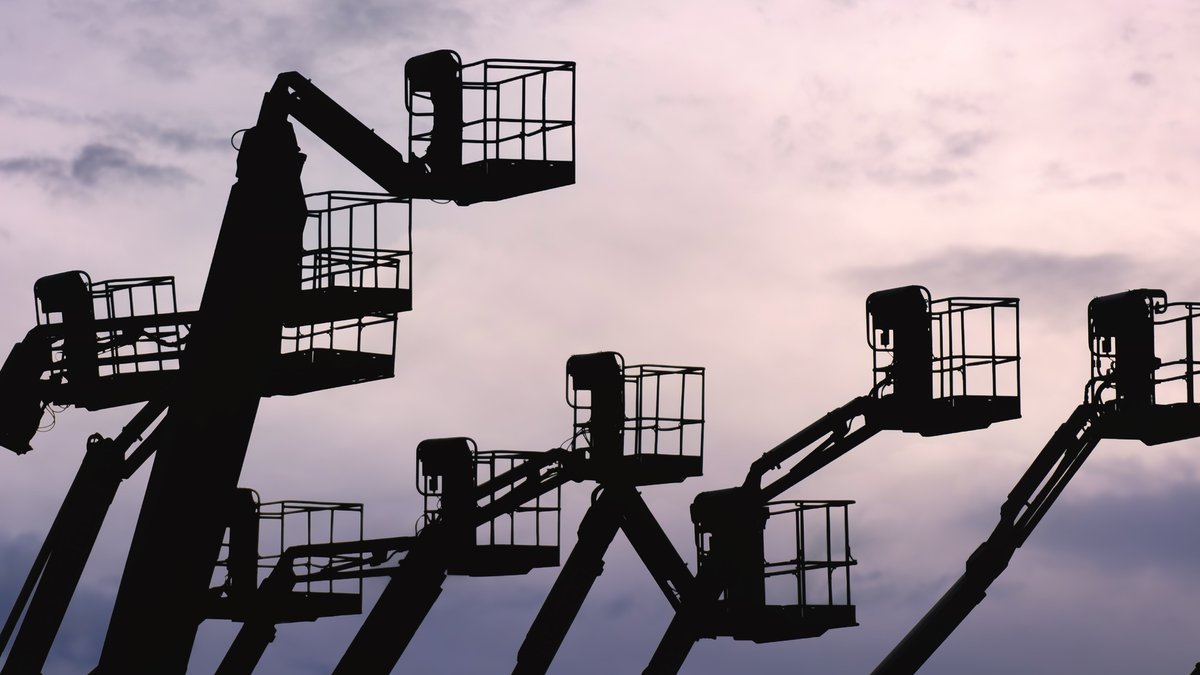
Digital technology is reshaping how aerial work platforms operate, offering new tools to cut hazards and boost efficiency on job sites where height work has long been a safety challenge.
Sensor networks turn boom lifts into data hubs
Modern boom lifts now come equipped with telematics units and a suite of intelligent sensors that record battery charge, hydraulic pressure, platform tilt and load weight in real time. This data functions like a nervous system for the heavy machines, constantly feeding information to operators and maintenance crews.
Continuous monitoring lets technicians spot temperature spikes or pressure drops that often precede component wear, such as a weakening hydraulic pump. By catching these signals early, crews can perform predictive maintenance before a breakdown occurs, reducing downtime and repair costs.
Telematics also tracks idle time and engine hours, giving fleet managers a clear picture of how each lift is used. The insight helps adjust scheduling to cut fuel consumption and improve battery life, especially on projects with tight deadlines.
Related: Raccoon Gang Joins Canvas LMS as Partner
Safety gains from automated alerts and collision avoidance
Safety remains the top priority for work-at-height tasks, and digital solutions are delivering tangible improvements. Many lifts now feature collision avoidance systems that emit warnings when obstacles appear in the machine’s path. Some models can even halt operation automatically if the operator fails to react, limiting the risk of strikes involving other equipment or personnel.
Additional sensors monitor platform stability and load distribution, focusing on the center of gravity to keep the lift within its safe operating envelope. When the load exceeds limits or the ground conditions shift, the system alerts the operator, helping prevent tip‑overs.
These technologies also help curb unauthorized use. Geofence alerts notify managers if a lift leaves its designated area, reducing theft and misuse on busy construction sites.
Fleet managers can now oversee multiple lifts from a single dashboard, scheduling maintenance, tracking utilization and reviewing historical performance data. This remote oversight simplifies planning for future projects and supports better allocation of equipment across a job site.
While the benefits are clear, organizations should still vet rental suppliers carefully. Choosing a reputable provider ensures that the digital features on a lift are reliable and that the equipment meets safety standards.
Related: Custom Learning Systems Worth the Investment
For companies new to these tools, the shift may feel like adding a layer of complexity to already demanding work. Yet the trade‑off is a more predictable operating environment where data guides decisions rather than guesswork.
In practice, the adoption of digital technology aligns with broader industry trends toward connected equipment. As sensors become standard, the amount of actionable information grows, offering managers a chance to fine‑tune operations with a level of precision previously reserved for high‑tech manufacturing.
Overall, the integration of telematics and safety automation is turning aerial work platforms from simple machines into smarter, more accountable assets. This evolution promises not only fewer accidents but also smoother project timelines and lower operating costs.
Data drives safety.
