Public school leaders in North Carolina and beyond are beginning to view school choice not as a threat but as a signal of what families truly want. In rural North Carolina, one district has introduced a microschool model where middle schoolers use AI tools and run an Airbnb to fund entrepreneurship lessons. Nearby, another district launched a nature-based public microschool after recognizing that traditional schools were failing to meet some families’ needs. These experiments are small but signal a broader shift: public schools are learning to listen.
West Virginia Board of Education President Paul Hardesty stated plainly that public schools are “competing for enrollment, whether we want to believe it or not.” His proposed response—becoming “more accommodating, more receptive and more accessible to parents and students”—reflects a growing mindset among forward-thinking leaders. Superintendents in Alabama and Iowa are responding by expanding career academies and using enrollment data to understand family exits. In Alabama, Jefferson County Superintendent Walter B.
Gonsoulin Jr. launched over 20 high school career academies that award industry certifications, while in Des Moines, district leaders have begun using enrollment data and parent outreach to better understand when families are leaving and to communicate what their schools offer. North Carolina’s “Find Your Fit, Build Your Future” initiative similarly highlights pathways like early college programs and magnet schools, suggesting that “different” need not mean leaving public education entirely.
Homeschooling Trends and Family Departures
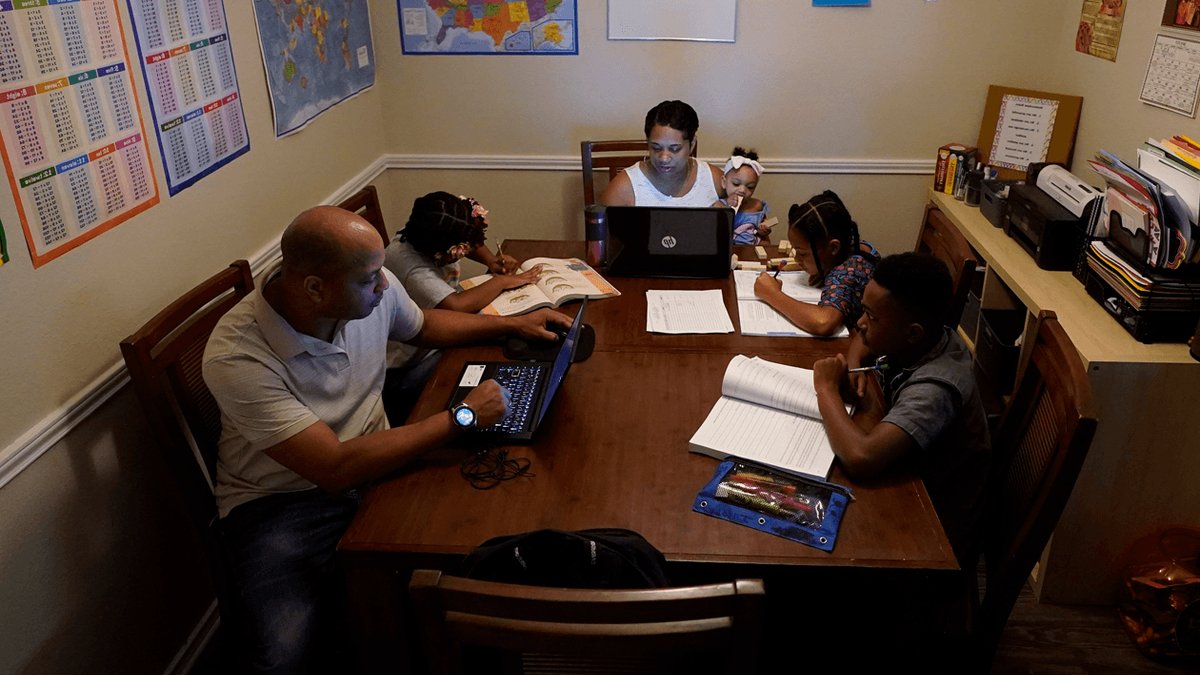
But responding to choice requires clarity on why families leave. North Carolina offers a unique lens: its homeschool registration data shows 95,190 homeschools serving an estimated 152,897 students ages 6 to 17 in 2025–26, up from pre-pandemic levels. This represents a substantial portion of the state’s K-12 population. During the pandemic, new homeschool openings rose from 9,481 in 2019–20 to 19,294 in 2020–21. Even as pandemic-related fears subsided, the numbers stayed raised, with 12,643 new openings in 2025–26. This growth shows the need for public schools to understand the drivers behind these departures.
The state’s registration process asks parents to select a primary reason for homeschooling, offering options like “dissatisfied with the public school system” or “child has special needs.” In 2025–26, 51.5% of respondents cited public school dissatisfaction, a stark increase from 25.6% in 2020–21. Another 20.6% selected special needs, while only 4.1% mentioned private school dissatisfaction.
Related Post: Students’ Tech Use in School Raises Learning Concerns
This shift reflects a broader trend: families’ stated reasons for homeschooling have evolved over time, moving from pandemic-related concerns to enduring educational considerations. During the height of the pandemic in 2020–21, 54.1% of respondents cited the coronavirus as their primary reason, but this category has since diminished significantly. The data reveals a persistent challenge: families are leaving public schools not due to fleeting disruptions but because of systemic shortcomings.
Data-Driven Strategies for School Improvement
District leaders are using homeschool registration insights to shape their responses. By adding targeted follow-up questions to the process, they can uncover specific reasons behind parent decisions. If families report safety concerns or academic mismatches, districts can address those gaps directly. The goal is understanding what support families seek when they opt for alternatives.
This approach helps schools identify precise areas for improvement. When parents cite special education challenges or limited program options, districts can develop targeted solutions. Better data strengthens existing efforts to create new public options and highlight pathways families may overlook. Leaders are building more responsive systems by listening closely to parent feedback.
Parent Involvement Through Advisory Council
North Carolina’s Parent Advisory Council represents a direct response to changing family needs. Superintendent Green launched the statewide effort to strengthen family engagement and build trust in public education. The council aims to give parents meaningful roles in shaping the future of schools, with seats reserved for traditional public, charter, private, and homeschool parents to ensure diverse perspectives are heard. This inclusive approach reflects a commitment to understanding the varied motivations behind educational choices.
