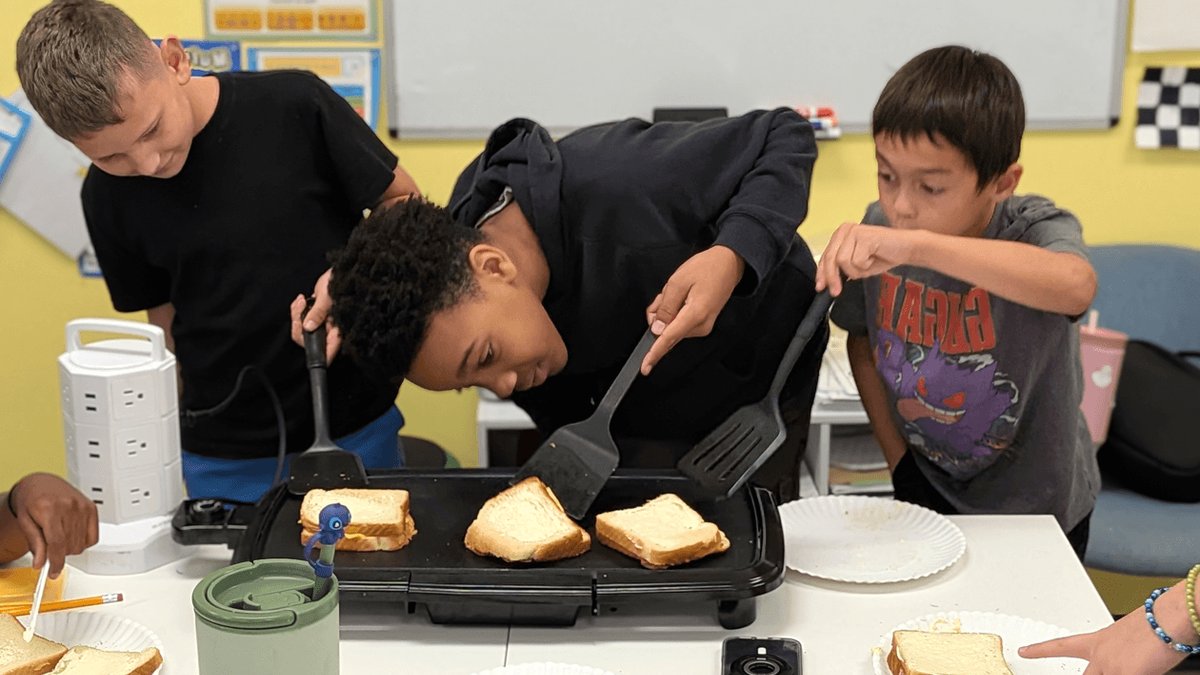
Public school enrollment in the U.S. has been declining for years, but microschools—small, private-pay learning environments typically serving fewer than 20 students—have surged in popularity since the pandemic. The Covid-19 pandemic turbocharged this trend, multiplying the number of microschools to over 100,000 across the U.S., according to the National Microschooling Center, with more coming online each season. Microschools have reached an estimated enrollment of 1–2 million students, and those numbers are poised to grow as the federal tax credits from the Trump administration’s One Big Beautiful Bill hit the system, and local school districts get into the act. Federal tax credits and local district partnerships have fueled this growth, which shows no signs of slowing.
This expansion reflects a broader shift away from traditional classrooms, but it is particularly driven by demand from boys and neurodiverse learners. Data from the National Assessment of Educational Progress reveals boys consistently underperform girls in reading and writing, while girls now outperform them in math and science as well. Boys also face higher rates of learning disability diagnoses, 18% compared to 10% of girls, and traditional classrooms often fail to meet their needs. Many boys thrive in settings that encourage movement and vocalization rather than enforcing rigid expectations.
The mismatch between conventional schooling and certain students’ needs has pushed parents toward alternatives. Microschools, with their small class sizes, offer flexible seating, lighting, and curriculum, aligning with recommendations from the American Psychological Association’s Task Force on Boys in School. For neurodiverse students, including those with ADHD, autism, or dyslexia, these schools provide adaptive spaces like sensory zones and personalized online learning pathways. Some programs, such as KaiPod’s Ignite Academy, even offer dual tracks: one for students with disabilities and another for gifted learners.
While students with disabilities can access Education Savings Account funds, advocates fear small, understaffed microschools may lack the resources to deliver adequate services. Yet families who have left traditional classrooms report positive outcomes.
Kenneth Mims, executive director of Science Prep Academy, a microschool for students on the autism spectrum, rejects the notion that traditional schools better serve neurodiverse learners. Instead of pulling kids out of the classroom and forcing them to miss out on teaching and learning, we build our therapies right into the school day.
The debate over microschools centers on regulation. A 2025 report from the Center for American Progress highlights accountability concerns, noting that microschools often face fewer restrictions than traditional schools or even homeschools.
Microschool growth continues unchecked, particularly in states with strong school choice policies like Arizona and Florida, where networks such as KaiPod and Prenda are expanding rapidly. Specialized microschools, faith-based academies, STEM-focused programs, and LGBTQ+ centers, are also multiplying across the country. The challenge remains: Can these small, flexible schools deliver on their promise without leaving students behind?
