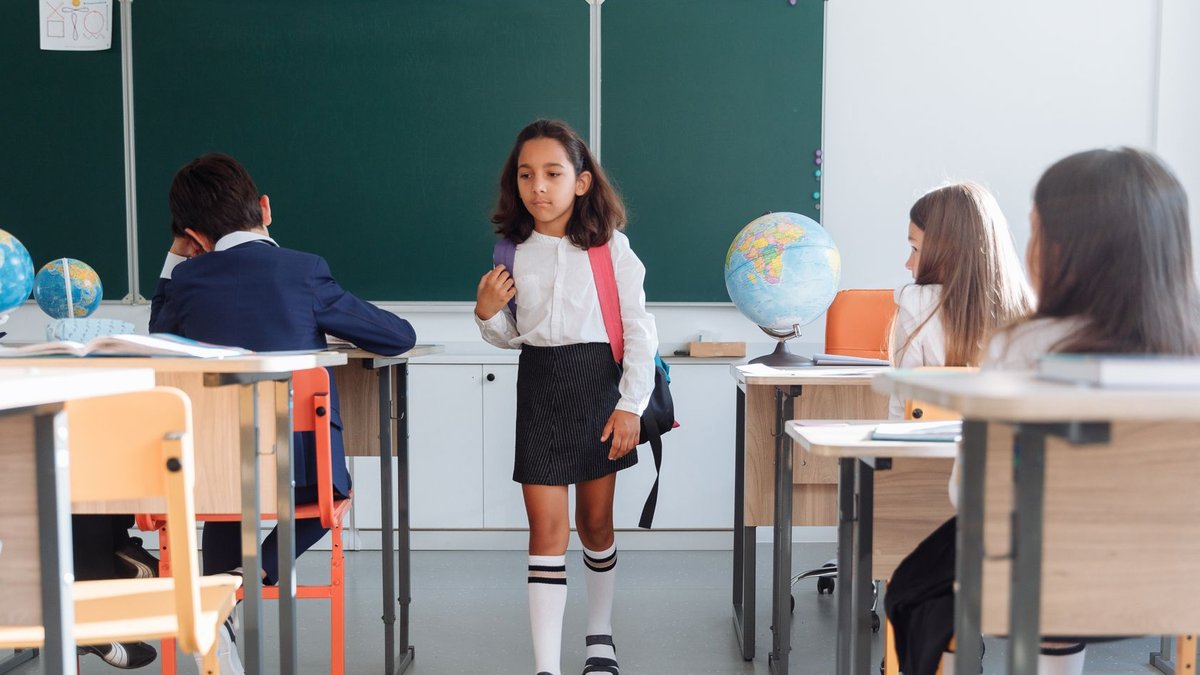
California’s youngest students are still missing weeks of school, with transitional kindergarten and kindergarten students showing some of the highest chronic absence rates in the state.
Data reveals that 24% of these students were chronically absent in 2024-25, compared to 19% for all students. Chronic absenteeism is defined as missing 10% or more days in a school year.
Why are the youngest students missing so much school?
Early intervention after initial absences can help prevent chronic absenteeism, data shows. When kids start attending school, the youngest tend to get sick their first year. Some may have a tough time adjusting to a new school routine. Some parents may believe missing the day’s lesson isn’t that big of a deal, so their student stays home. But when young students miss school, the days absent can quickly add up and impact student learning.
The impact of illness and parental perception
Illness is a significant factor, with colds and other ailments common in these age groups. Kara Stern, from SchoolStatus, notes that this is often a child’s first exposure to a wide range of other kids.
Parental perception also plays a role. Some families may not fully understand the importance of daily attendance in these early years, especially after the Covid pandemic, when distinguishing between minor and serious illnesses became more challenging.
A Roseville City initiative saw overall chronic absence rates drop from 26% in 2021-22 to 10.5% in 2024-25. But the district’s TK and kindergarten students were still missing class at alarming rates — at its peak in 2022-23 their chronic absence rate was 11 percentage points higher than the rest of the district, state data shows.
The district’s targeted approach included personalized letters to families, highlighting the daily learning activities and their long-term benefits. This strategy aimed to educate parents about the value of consistent attendance.
Staff also emphasized the cumulative effect of absences, with a focus on early intervention. By reaching out after 3-5 absences, they found it more effective in re-engaging students and preventing chronic absenteeism.
Related Post: Students’ Tech Use in School Raises Learning Concerns
The Role of Early Intervention
Early intervention is key to preventing chronic absenteeism. Data shows that reaching out to families after the first few absences can significantly improve attendance rates.
Upcoming State Data on Chronic Absenteeism
In October, California will release data on chronic absenteeism from the 2025-26 school year, the first year transitional kindergarten (TK) was widely available. This data will provide insights into attendance rates among the youngest students. Education experts and administrators will focus on these rates to understand the impact of TK expansion.
The state defines chronic absenteeism as missing 10% or more of school days, which equates to about 3.5 weeks in a typical 180-day school year. In 2021-22, nearly 2 million TK-12 students in California were chronically absent, prompting districts to launch campaigns to improve attendance. Districts like Roseville City have tailored their communication to families, emphasizing the importance of attendance and offering support to prevent chronic absenteeism.
These efforts include personalized letters to families, highlighting the cumulative effect of absences and the daily learning activities children miss. Staff also educate parents on the building blocks of early education, such as hand-eye coordination in TK and writing skills in later grades. By showing families the district’s readiness to help, these initiatives aim to reduce chronic absenteeism and improve academic and social outcomes for students.
The Importance of Parental Engagement
Parental engagement is key in addressing chronic absenteeism. Many families may not fully understand the impact of missing school days, especially in the early years.
Looking Ahead
The state will release new data on chronic absenteeism in October, providing insights into the effectiveness of various district initiatives.
SchoolStatus data for the 2025-26 school year seems promising. In 97 of the California districts they work with, the TK chronic absenteeism rate dropped under 22% from nearly 29% in 2023-24. Among kindergarteners it dropped to about 20% from nearly 25% during the same two-year timeframe.
